
 Home
Home ByKus Academy
 History
 Philosophy
 Anthropology
 Mythology
 Theology
 News
News World
World Economy & Finance
 Health & Lifestyle
 Science & Tech
 Culture
 Cinemania
 Bookshelf
 Who is?
 What is?
 Art
Art Türkçe

When Gods Walked Among Mortals: Understanding Sumerian Divine Nature
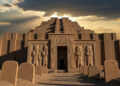
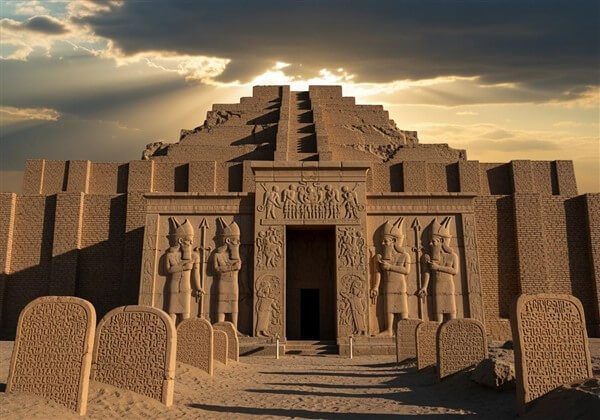
In the cradle of civilization, where the Tigris and Euphrates rivers carved fertile valleys into ancient Mesopotamia, the Sumerians crafted one of humanity’s most compelling pantheons. The Sumerian gods were not distant, perfect beings dwelling in ethereal realms, but rather powerful entities burdened with recognizably human emotions, desires, and failings. These deities loved passionately, raged violently, schemed cunningly, and mourned deeply, creating a divine drama that rivaled any human soap opera in its complexity and emotional intensity.

Unlike the sanitized versions of mythology often presented in popular culture, the original Sumerian texts reveal gods who were refreshingly, sometimes disturbingly, human in their motivations. They quarreled over territory, betrayed lovers, played favorites among mortals, and made decisions based on jealousy, pride, or simple bad moods. This anthropomorphic approach to divinity reflected the Sumerians’ sophisticated understanding that power, whether divine or earthly, comes with all the messy complications of personality, emotion, and flawed judgment.
The Celestial Hierarchy: Power, Responsibility, and Divine Politics
Enlil: The Storm Lord’s Burden of Authority
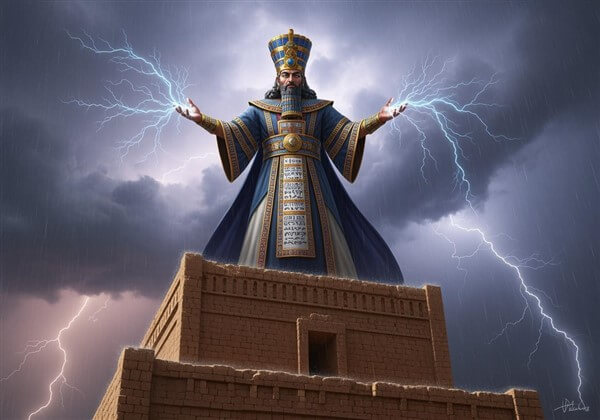
At the apex of the Sumerian pantheon stood Enlil, whose name literally means “Lord Wind” or “Lord of the Air.” As the god of storms, wind, and earth, Enlil wielded authority over the natural forces that could either nurture or destroy civilization. His temperament perfectly matched his domain – unpredictable, powerful, and often destructive. Ancient texts consistently portray Enlil as quick to anger and slow to forgive, making him perhaps the most feared among the Sumerian gods.
Enlil’s role extended far beyond meteorological control. He served as the divine executive, responsible for maintaining cosmic order and executing the will of the supreme god Anu. This position placed enormous pressure on his shoulders, and the texts suggest that Enlil’s notorious bad temper stemmed partly from the weight of these responsibilities. When humanity’s noise disturbed his rest, Enlil didn’t simply ask for quiet – he orchestrated a devastating flood to eliminate the source of his annoyance entirely.
The god’s relationships with other deities were equally tumultuous. His rivalry with his brother Enki created a fundamental tension within the pantheon, representing the eternal struggle between order and wisdom, authority and innovation. Enlil’s decisions were often harsh but necessary from a cosmic perspective, even when they seemed cruel to mortals and fellow gods alike.
Enki: The Wise Trickster and Divine Innovator
In stark contrast to his brother’s authoritarian approach, Enki embodied wisdom, creativity, and cunning intelligence. Known as “Lord of the Earth” and god of fresh water, crafts, and wisdom, Enki served as the divine problem-solver whose quick thinking often saved both gods and humans from Enlil’s wrath. His domain over the Abzu, the freshwater ocean beneath the earth, symbolized his role as the source of life-giving knowledge and innovation.
Enki’s character reveals the Sumerian appreciation for intelligence over brute force. When Enlil decreed the great flood, it was Enki who found a clever loophole, warning the hero Utnapishtim (later known as Noah in other traditions) by speaking to a reed wall rather than directly to the human, technically obeying his brother’s command while subverting its intent. This kind of lateral thinking made Enki beloved among mortals and essential to the functioning of the cosmos.
The god’s sexual appetites were legendary even by divine standards. Enki’s numerous affairs and their consequences drove many mythological narratives, but these stories served deeper purposes than mere entertainment. They explained the origins of various deities, natural phenomena, and human institutions through divine genealogy and romantic entanglements.
The Divine Assembly and Cosmic Governance
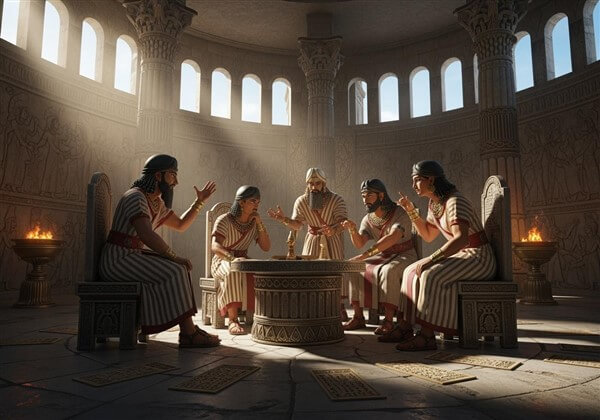
The Sumerian gods operated within a complex bureaucratic structure that mirrored earthly political systems. The Anunnaki assembly gathered to make crucial decisions affecting both heaven and earth, with debates, voting, and political maneuvering determining cosmic policy. This democratic element in divine governance reflected Sumerian understanding that even absolute power required consultation and consensus-building.
Modern scholarly interpretation suggests these divine assemblies represented idealized versions of Sumerian city-state councils, where multiple stakeholders needed to reach agreements on important matters. The gods’ political relationships thus served as both explanation for natural phenomena and commentary on effective governance, embedding political wisdom within mythological narrative.
Passion and Power: The Feminine Divine and Mortal Desires
Inanna: The Queen of Heaven and Earth
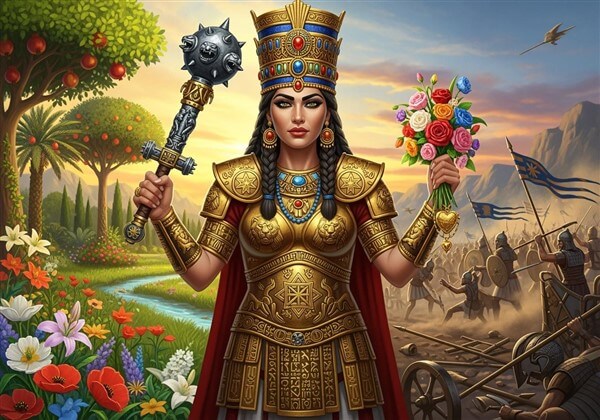
Perhaps no Sumerian deity embodies the complexity of divine personality more completely than Inanna, goddess of love, beauty, sex, and warfare. Her dual nature as both nurturing lover and destructive warrior goddess reflected the Sumerian understanding that creation and destruction were intimately linked forces. Inanna’s stories reveal a deity driven by passionate desires, wounded pride, and an insatiable hunger for power and recognition.
Inanna’s most famous myth, her descent to the underworld, demonstrates her willingness to risk everything for knowledge and power. Her decision to visit her sister Ereshkigal’s realm resulted in her death and resurrection, but only after her consort Dumuzi paid the ultimate price for her return. This story illustrates Inanna’s ruthless pragmatism – she loved Dumuzi deeply, yet condemned him to take her place in the underworld when he failed to properly mourn her absence.
The goddess’s relationship with power was complex and often contradictory. She demanded respect and worship, yet her actions frequently created chaos rather than order. Her sexual autonomy was celebrated in Sumerian culture, where temple prostitution in her honor was considered sacred service. However, her romantic relationships often ended in tragedy for her partners, suggesting that divine love came with divine consequences.
Dumuzi: The Dying God and Seasonal Sacrifice
Dumuzi, the shepherd god associated with fertility and the annual death and rebirth of vegetation, represents one of mythology’s most poignant figures. His relationship with Inanna formed the central tragic romance of Sumerian literature, exploring themes of love, betrayal, sacrifice, and renewal that would echo through subsequent mythological traditions.
Unlike other major deities, Dumuzi possessed a notably mortal quality despite his divine status. His shepherd background and his ultimate fate – condemned to spend half the year in the underworld – connected him intimately with human experience. Dumuzi’s story served as an explanation for seasonal changes while also providing a meditation on the costs of divine love and the inevitability of sacrifice in maintaining cosmic balance.
The annual rituals surrounding Dumuzi’s death and resurrection involved elaborate ceremonies where the king would ceremonially marry a priestess representing Inanna, symbolically ensuring the land’s fertility. These sacred marriage rites demonstrated how Sumerian gods remained actively involved in human affairs, requiring regular renewed commitments to maintain their favor.
Divine Relationships and Human Parallels
The romantic entanglements among Sumerian gods provided both entertainment and instruction for their worshippers. These divine relationships exhibited the same patterns of attraction, jealousy, betrayal, and reconciliation found in human marriages and affairs, but with cosmic consequences. When Inanna and Dumuzi quarreled, the earth itself might become barren; when they reconciled, spring would return.
Contemporary academic analysis suggests these mythological relationships served multiple functions within Sumerian society. They normalized complex emotions while providing frameworks for understanding natural phenomena, social relationships, and religious obligations. The gods’ romantic dramas also offered cautionary tales about the dangers of unchecked passion and the importance of maintaining proper relationships with divine powers.
Divine Flaws and Mortal Lessons: The Humanity of Gods
Jealousy, Revenge, and Divine Justice
The Sumerian gods’ capacity for jealousy and revenge rivaled any human’s, but their divine status meant their emotional outbursts had cosmic consequences. When the goddess Ninlil rejected Enlil’s advances, his subsequent rape of her led to his banishment to the underworld – yet even this punishment became part of a larger cosmic plan when their union produced important deities. Such stories revealed the Sumerians’ sophisticated understanding that justice often operates in complex, unexpected ways.
These divine character flaws weren’t presented as moral failings but as fundamental aspects of personality that shaped cosmic events. The gods’ jealousies drove innovation, their anger prompted necessary changes, and their loves created new possibilities. Academic scholars note that this approach to divine psychology allowed Sumerians to understand their world as simultaneously ordered and chaotic, predictable and surprising.
The concept of divine justice in Sumerian mythology rarely involved simple punishment and reward. Instead, consequences flowed naturally from actions, creating complex webs of cause and effect that required careful navigation by both gods and mortals. This understanding influenced Sumerian legal codes, which emphasized restoration and balance rather than retribution.
The Burden of Divine Responsibility
Despite their flaws, Sumerian gods bore enormous responsibilities for maintaining cosmic order. Enlil’s harsh decisions often stemmed from his duty to preserve universal balance, even when compassion might suggest alternative courses of action. Enki’s clever solutions frequently created new problems that required additional divine intervention. Inanna’s passionate nature drove both creative and destructive forces that shaped civilization.
Modern interpretations suggest these divine responsibilities reflected Sumerian awareness of leadership’s psychological costs. Rulers, whether divine or mortal, faced impossible choices where any decision would harm someone. The gods’ emotional struggles provided models for understanding and coping with such dilemmas, offering both comfort and guidance to those in positions of authority.
The mythology also emphasized that divine power required constant vigilance and active maintenance. The gods couldn’t simply decree universal order and expect it to persist automatically. They needed to continuously engage with cosmic forces, make difficult decisions, and accept the consequences of their actions – much like effective human leaders.
Lessons in Divine Humanity
The anthropomorphic nature of Sumerian gods served crucial psychological and social functions within their civilization. By presenting deities with recognizable human emotions and motivations, these myths made divine power more comprehensible while simultaneously elevating human experience to cosmic significance. Every human emotion and relationship found divine parallels, suggesting that mortal life participated directly in cosmic drama.
This approach to mythology provided practical wisdom for navigating human relationships and social responsibilities. If gods struggled with jealousy, anger, and desire, then humans experiencing these emotions weren’t fundamentally flawed but were participating in universal patterns. The myths offered strategies for managing difficult emotions while warning about their potential consequences.
The Eternal Appeal of Flawed Divinity
The Sumerian gods’ enduring fascination lies not in their perfection but in their magnificent imperfection. These deities faced the same fundamental challenges that confront all conscious beings – balancing personal desires with responsibilities, managing complex relationships, and accepting the consequences of difficult decisions. Their divine status amplified rather than eliminated these challenges, creating mythological narratives that remain psychologically relevant millennia after their creation.
Modern readers can recognize themselves in Enlil’s frustrated anger, Enki’s clever problem-solving, Inanna’s passionate ambition, and Dumuzi’s tragic fate. These gods remind us that power and wisdom don’t automatically eliminate emotional complexity or moral ambiguity. Instead, they often intensify such challenges, requiring greater self-awareness and more sophisticated responses to life’s fundamental dilemmas.
What aspects of these ancient Sumerian deities resonate most strongly with your own experiences? Do you see echoes of Enlil’s burden of responsibility, Enki’s creative solutions, or Inanna’s passionate pursuits in your daily life? The conversations these myths can spark about human nature, relationships, and the proper use of power remain as relevant today as they were in ancient Mesopotamia.
Further Readings
Black, J., & Green, A. (2014). Gods, demons and symbols of ancient Mesopotamia: An illustrated dictionary. University of Texas Press.
Dalley, S. (2008). Myths from Mesopotamia: Creation, the flood, Gilgamesh, and others. Oxford University Press.
Foster, B. R. (2005). Before the muses: An anthology of Akkadian literature. CDL Press.
Jacobsen, T. (1976). The treasures of darkness: A history of Mesopotamian religion. Yale University Press.
Kramer, S. N. (1963). The Sumerians: Their history, culture, and character. University of Chicago Press.
Lambert, W. G. (2013). Babylonian creation myths. Eisenbrauns.
Leick, G. (2003). The A to Z of Mesopotamian mythology. Scarecrow Press.
Pollock, S. (1999). Ancient Mesopotamia: The Eden that never was. Cambridge University Press.
Wolkstein, D., & Kramer, S. N. (1983). Inanna, Queen of Heaven and Earth: Her stories and hymns from Sumer. Harper & Row.