
 Home
Home ByKus Academy
 History
 Philosophy
 Anthropology
 Mythology
 Theology
 News
News World
World Economy & Finance
 Health & Lifestyle
 Science & Tech
 Culture
 Cinemania
 Bookshelf
 Who is?
 What is?
 Art
Art Türkçe

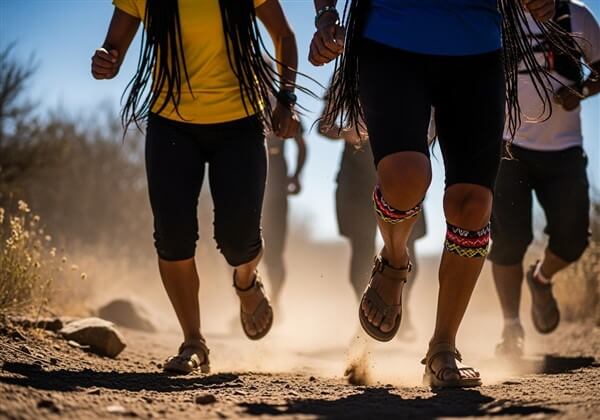
The Light-Footed People, Rarámuri
Imagine a life where time flows differently, in one of the world’s most rugged and isolated landscapes. Deep in the Copper Canyon of northern Mexico lives a people who call themselves “Rarámuri,” meaning “the running people” or “the light-footed ones.” We know them better as the Tarahumara tribe. This community forms one of the most fascinating subjects in anthropology, challenging the imagination of modern humans with their endurance and ability to run hundreds of kilometers nonstop. For them, running is not a sport or a hobby—it is life itself; a means of communication, a ritual, and the purest expression of their unbreakable bond with nature. In this article, we will explore not only the physical abilities of the Tarahumara tribe, but also the deep philosophy that shapes these abilities, their social structure, and their complex relationship with the modern world. We will try to understand what lessons this ancient culture has to offer to the world today.

The Philosophy of Running: The Cornerstone of Tarahumara Culture
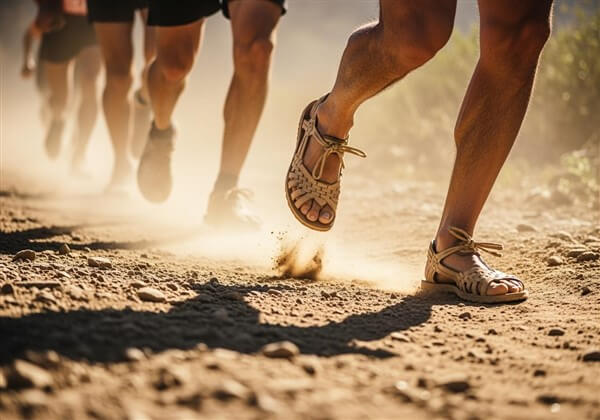
The key to understanding Tarahumara culture lies in grasping the meaning they ascribe to running. For the Western world, running is typically an activity focused on health, recreation, or competition. However, for the Rarámuri, this action holds existential significance. In the rugged terrain of the canyons, running is the most effective method for communicating between villages, delivering messages, hunting, and trading. As such, running is an integral part of their social fabric and daily life. These people, who run almost barefoot in their traditional sandals called “huaraches,” possess a natural running form that modern sports shoes and technology cannot replicate. This form reduces the risk of injury and maximizes energy efficiency.
Not Just a Sport: Social and Ritualistic Runs
In Tarahumara society, running also serves an important social and ritualistic function. Traditional ball-running competitions called “rarajipari” are among the most important events that bring communities together. In these competitions, teams use their feet to kick a wooden ball along kilometer-long courses. These events can last up to two days and are not just physical competitions but also celebrations, social gatherings, and rituals that strengthen community bonds. The celebrations that take place during and after the races, with music and dancing, are moments when the collective identity of the Tarahumara tribe is reinforced. Running is a prayer for them; it is a sacred act in which the body, mind, and spirit move in harmony.
Innate Talent: Physiological and Genetic Heritage
The extraordinary endurance of the Tarahumara people has also caught the attention of scientists. Research indicates that this ability is not only related to cultural heritage but also to genetic and physiological adaptations. Living for centuries in a high-altitude region with low oxygen levels has uniquely developed their cardiovascular systems. Their bodies have specialized in efficiently utilizing energy and delaying lactic acid buildup. However, this biological heritage cannot be separated from their lifestyle. A diet based on natural and unprocessed foods, combined with constant physical activity from childhood onward, enables this genetic potential to fully manifest itself.
A Life in Harmony with Nature: Nutrition and Traditions
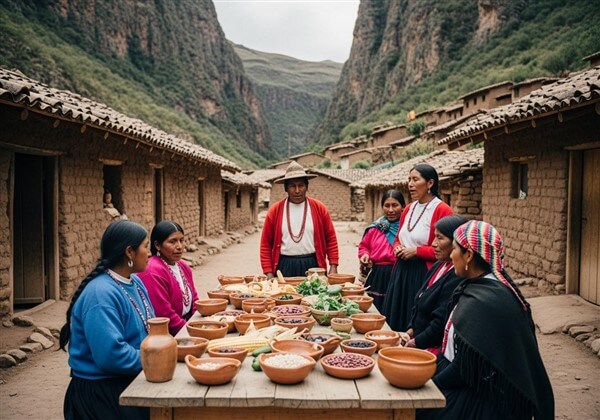
Another secret behind the Tarahumara’s endurance is their deep and respectful relationship with nature. Their philosophy of life is based on gratitude for what comes from the earth and what the earth provides. This philosophy is evident in every aspect of their lives, from their dietary habits to their social structure. The Tarahumara tribe, which relies on agriculture and livestock farming, follows an extremely simple yet nutritious diet, free from processed foods and artificial supplements. This diet enables them to stay healthy and provides the energy needed for long-distance running.
Pinole and Chia: Natural Sources of Energy
The Tarahumara diet is based on corn, beans, and squash. However, there are two special foods that are considered their “superfoods”: pinole and chia seeds. Pinole is roasted and ground corn flour. When mixed with water to form a paste, this food is rich in slow-releasing carbohydrates, protein, and essential amino acids. Runners can maintain their energy levels for hours by carrying pinole with them during long journeys. Similarly, chia seeds, which are rich in omega-3 fatty acids, fiber, and antioxidants, are consumed by mixing them with water and help maintain the body’s water balance. This natural and simple dietary model challenges the modern sports nutrition industry.
Collective Life and the “Kórima” Philosophy
The social structure of the Tarahumara community emphasizes collectivism over individualism. This structure is based on a philosophy called “kórima.” Kórima means sharing and helping others without expecting anything in return. If someone needs something, others help them without expecting anything in return. This philosophy is also why the word “thank you” does not exist in their language; because help is not a favor, but a natural duty. This strong social solidarity enables individuals to survive in harsh natural conditions. Kórima is a social safety net for the Tarahumara tribe, where they share not only their material possessions but also their joys and sorrows.
The Tarahumara on the Threshold of the Modern World
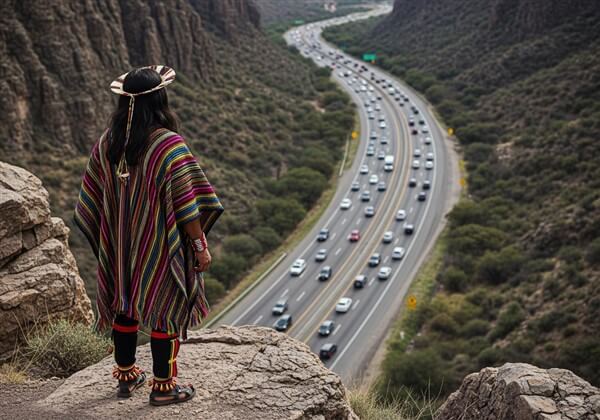
Despite their isolated lifestyle, the Tarahumara tribe has not been able to escape the influences of the modern world. In recent years, increased tourism, mining activities, and the presence of drug cartels in the region have put serious pressure on their traditional way of life. This interaction brings both opportunities and great risks. On the one hand, there are positive developments such as the recognition of their culture by the world and the emergence of some economic opportunities. On the other hand, there are serious threats such as cultural assimilation and the destruction of natural habitats.
Cultural Threats and Resistance
One of the greatest threats brought by modernization is the drift of younger generations away from traditional lifestyles. Schools, job opportunities, and technology are drawing young Tarahumaras to cities. This situation carries the risk of creating a断裂 in the transmission of ancient knowledge and traditions. Additionally, illegal logging and mining activities in the region threaten the ecosystem that serves as their habitat. Global issues such as drought and climate change are also having a negative impact on agriculture and water resources. However, despite all these challenges, the Rarámuri are showing great resilience in preserving their culture and identity.
Outside World Interest: Opportunities and Risks
Global interest in the Tarahumara has grown, particularly thanks to popular books such as “Born to Run.” This interest has attracted tourists to the region and led to the organization of some ultra-marathon races there. While this creates economic opportunities for the local population, it also carries the risk of commercializing their culture and undermining its authenticity. Although outside aid organizations and activists are doing important work to defend their rights and improve their living conditions, it is critical that these interventions be managed in a balanced and culturally sensitive manner.
Conclusion: A Legacy of Running
The Tarahumara tribe is a living testament to human resilience and living in harmony with nature. Their story reminds us that technology and modernity do not always equate to progress. These people, who have embraced running as a way of life, view sharing as a principle of existence, and remain standing with a collective spirit even in the harshest conditions, offer valuable lessons to the modern world. Their legacy lies not only in their ability to run for miles, but also in their deep respect for nature, community, and simplicity. Despite all the challenges of the modern world, the Rarámuri continue to run. What do you think is the most important lesson we can learn from their ancient wisdom and apply to our own lives?
Further Reading
McDougall, C. (2009). Born to Run: A Hidden Tribe, Superathletes, and the Greatest Race the World Has Never Seen. Alfred A. Knopf.
Kennedy, J. G. (1990). Tarahumara of the Sierra Madre: Survivors on the Canyon’s Edge. Greenfield Review Press.
Merrill, W. L. (1988). Rarámuri Souls: Knowledge and Social Process in Northern Mexico. Smithsonian Institution Press.
Fontana, B. L. (1999). Tarahumara: Where Night is the Day of the Moon. University of Arizona Press.