
 Home
Home ByKus Academy
 History
 Philosophy
 Anthropology
 Mythology
 Theology
 News
News World
World Economy & Finance
 Health & Lifestyle
 Science & Tech
 Culture
 Cinemania
 Bookshelf
 Who is?
 What is?
 Art
Art Türkçe

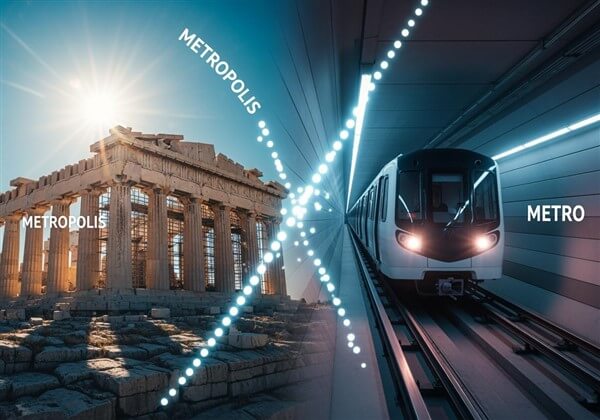
We use the word “metro” every day. It describes a fast way to travel. It is a key part of city life. But have you ever asked about its origin? The story is more interesting than you think. It connects ancient cities to modern transport. This post explores the complete etymology of metro. We will travel from Greece to London. Then, we will finish our journey in Paris. Let’s begin this fascinating linguistic ride.

From a “Mother City” to a Global Network
The word’s path is truly global. It started with a powerful idea. Then, it was adopted by engineers. Finally, it was shortened by the public. Understanding the etymology of metro requires this historical context.
The Greek Roots: Mother of the City
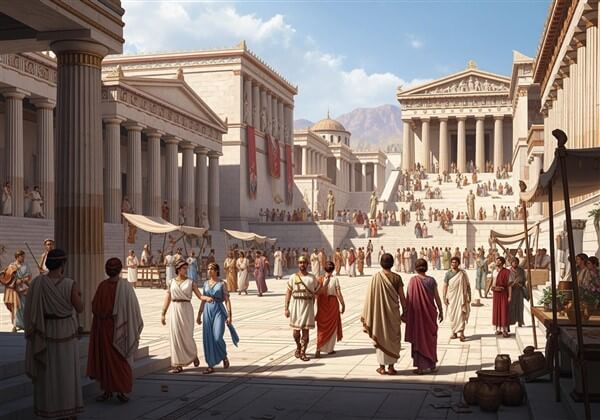
First, let’s go back to Ancient Greece. The Greeks had a word: “metropolis.” It came from “mētēr,” meaning mother. It also used “pólis,” meaning city. A metropolis was a “mother city.” It was the main city of a region. This term describes power and importance. It was the heart of a civilization. The word carried great significance.
London’s Pioneer: The Metropolitan Railway
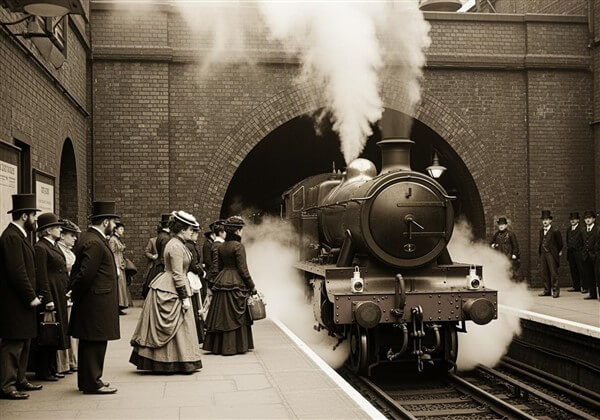
Next, we jump to 19th-century London. The city was growing rapidly. It needed a new transport solution. In 1863, the world’s first underground railway opened. Its official name was the “Metropolitan Railway.” The name was chosen carefully. It showed the railway served the metropolis. Londoners soon called it “the Metropolitan.” This was the first step in its modern usage. The full name was still quite long.
Parisian Chic: The Birth of “Le Métro”
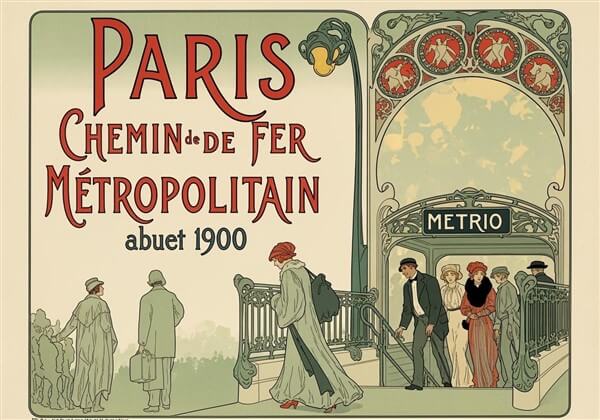
The next step in the etymology of metro happened in Paris. The French capital needed its own system. For the 1900 World’s Fair, Paris opened its railway. It was called the “Chemin de fer métropolitain.” This translates to “Metropolitan Railway.” Parisians, however, love brevity. They quickly shortened the long name. “Chemin de fer métropolitain” became “le métro.” This short, stylish name was perfect. It was easy to say and remember. As a result, its popularity exploded.
From Paris to the World: A Global Term
Finally, the short name spread worldwide. “Métro” was a French cultural export. Many new transport systems have adopted it. Cities from Moscow to Mexico City built their “metro.” The word became a global standard. It represented modern, fast, urban rail. It no longer just belonged to Paris. It now belonged to the world. The journey from “metropolis” was complete.
Conclusion
So, the etymology of metro is a global story. It began with the Greek “mother city.” It was named by London’s engineers. It was then shortened by Parisian commuters. Each step was essential. The word shows how language evolves. It adapts to technology and culture. Next time you ride the metro, remember its rich history. You are part of a long, fascinating journey. Now you know the complete etymology of metro.