
 Home
Home ByKus Academy
 History
 Philosophy
 Anthropology
 Mythology
 Theology
 News
News World
World Economy & Finance
 Health & Lifestyle
 Science & Tech
 Culture
 Cinemania
 Bookshelf
 Who is?
 What is?
 Art
Art Türkçe

Tenebrism: Where Shadows Steal the Show
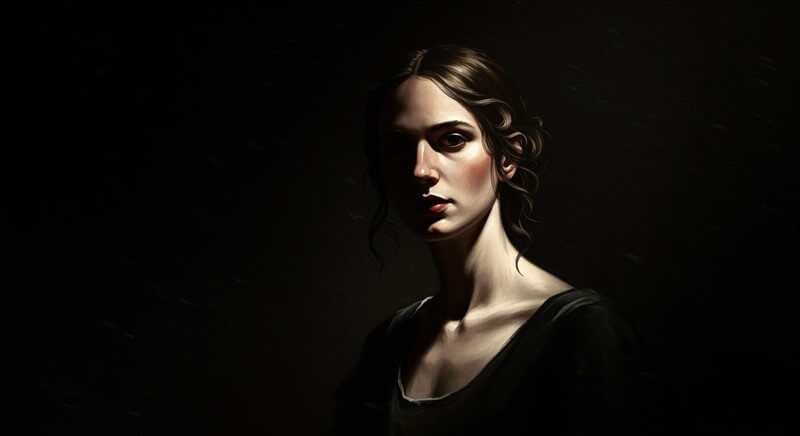
Imagine paintings with a bright spotlight on a figure. Everything else dissolves into deep, inky blackness. The main subject almost leaps off the canvas. This isn’t a random lighting trick. Instead, it’s a cool artistic style. Here, shadows don’t just stay in the background. In fact, they run the show. They crank up the drama. They also make you feel things. This style is Tenebrism. Artists using Tenebrism found that darkness could be powerful. Indeed, it could be more powerful than light.

Lights Down, Drama Up
So, how did Tenebrism, this shadow-stealing style, begin? Firstly, the name “Tenebrism” sounds cool. It comes from the Italian word tenebroso. Tenebroso means “dark,” “gloomy,” or “murky.” This perfectly fits an art style about deep, intense darkness. This technique truly flourished in the late 16th and early 17th centuries. This was during the Baroque period. That era was famous for grandeur and high drama. Consider this: artists perhaps grew tired of Renaissance calm. They wanted more punch and emotion. They sought something to make people say “wow!” Consequently, Tenebrism offered the perfect answer. It used stark contrasts: blinding light against profound shadow. This created a theatrical feel. Such a style was ideal for powerful stories. It also stirred deep feelings in viewers.
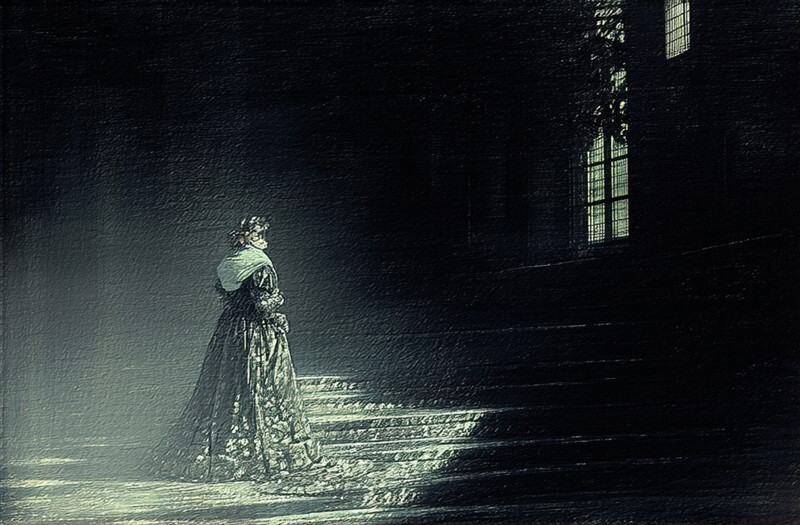
Many consider the Italian painter Caravaggio the rockstar who started this style. Before him, artists used chiaroscuro. Chiaroscuro involves a more subtle blend of light and shadow to create form. However, Caravaggio took it to a new level. He didn’t just shade. Instead, he plunged scenes into darkness. Then, he blasted figures with a single, intense light. This made them pop from the gloom. The effect was incredible realism and drama. It seemed like light and shadow battled on his canvas! Furthermore, this revolutionary approach was a game-changer. It caught on quickly. Many artists, soon called “Caravaggisti,” copied his “dark mode.” As a result, the style spread like wildfire. It moved from Italy to Spain, France, and the Netherlands. Tenebrism became a defining look of Baroque art. Suddenly, shadows were not just background elements. They became a huge part of the story.
The Masters of Shadow
Alright, we know Caravaggio essentially invented Tenebrism. Or, at least, he amplified it significantly. His paintings are textbook examples. Consider “The Calling of St. Matthew” or “Judith Beheading Holofernes.” In these, intense, harsh lights hit figures. These figures seem to emerge from a sea of black. The effect is highly dramatic. You feel present in the scene, perhaps on edge. He didn’t just paint a picture. Rather, he staged a theatrical production on canvas. Moreover, he used everyday people as models for saints and sinners. This added to the raw, immediate power. As mentioned, his influence was massive. Consequently, many artists, the Caravaggisti, followed his shadowy path.
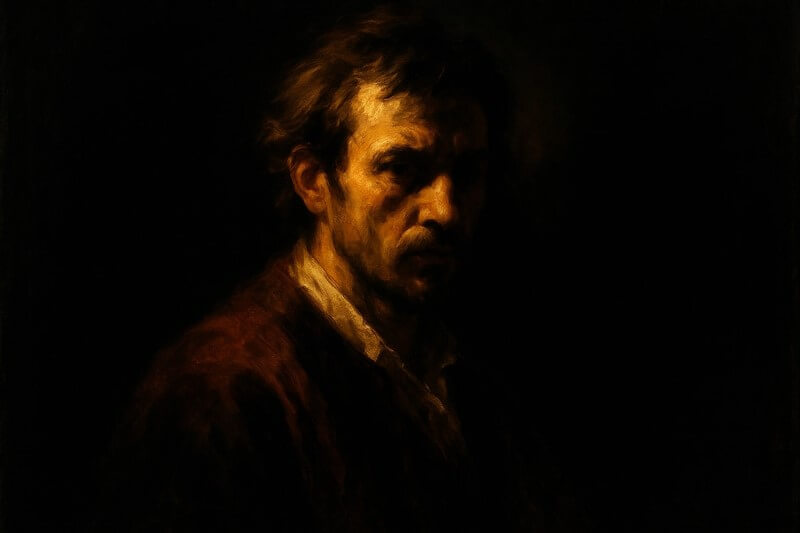
However, Caravaggio wasn’t alone in using darkness’s power. Across Europe, other artists embraced this technique. They picked up the single spotlight, so to speak. In Spain, Jusepe de Ribera championed Tenebrism. People often called him “Lo Spagnoletto” in Italy, where he worked. His depictions of saints and martyrs are gritty. They are also emotionally charged. His signature stark lighting made every wrinkle vivid. Every pained expression became clear. Next, consider Francisco de Zurbarán. His quiet, meditative paintings also used Tenebrism. He painted monks and still lifes. He used focused light against dark backgrounds. This created intense spirituality and presence. Also, let’s remember Georges de La Tour from France. He took Tenebrism in a slightly different direction. His approach was often more serene. His candlelit scenes are famous. A single candle often bathes figures in a soft, warm glow. The surrounding darkness creates an intimate, hushed atmosphere. La Tour’s work differed from Caravaggio’s raw drama. Yet, it still relied on dramatic light-dark contrast to engage viewers. These artists, among others, demonstrated Tenebrism’s versatility. They showed its impact. Each artist added their unique spin to painting with shadows.
Echoes of Tenebrism in Modern Art
So, Tenebrism as a dominant movement peaked in the Baroque period. However, its core idea never truly faded. This idea is the dramatic play of intense light and deep shadow. Today, artists might not call themselves “Tenebrists.” But the spirit of Tenebrism? It’s definitely still around. Indeed, it influences artists across different media. Consider this: using strong contrasts is a timeless artistic tool. It creates drama. It highlights subjects. It also evokes mood.
In painting, its influence appears in works by certain artists. These artists use stark lighting for a psychological effect. They also create mystery or unease. More obviously, Tenebrism’s principles thrive in photography and filmmaking. For instance, Film noir practically breathes Tenebrism. It features shadowy cityscapes. It also has dramatically lit anti-heroes. Cinematographers constantly use light and shadow. They guide our eye. They build suspense and create atmosphere. This is Tenebrism’s legacy in action! Furthermore, modern graphic designers and digital artists use this power. A single, focused light against a dark background creates impact. Thus, original Tenebrist masters finished their work centuries ago. Yet, their understanding of light and dark continues to inspire. It shapes how we see and create visual drama today. It seems the shadows still have many stories to tell.